Your Dog Trainer Logo
    Expert Advice

    The Pet Parent's Guide to Safety

    Keep your dog safe during training, walks, and everyday life with these essential, vet-approved safety guidelines and deep-dive articles.

    In This Guide

    Need Professional Help?

    Find a certified trainer in your area to help with behavioral issues safely.

    Find a Trainer
    The Ultimate Guide to Dog Walking Safety

    The Ultimate Guide to Dog Walking Safety

    Walking your dog is one of the greatest joys of pet ownership, but it comes with its own set of risks. Whether you're navigating busy city streets or exploring quiet woodland trails, safety should always be your top priority.

    1. Choose the Right Equipment

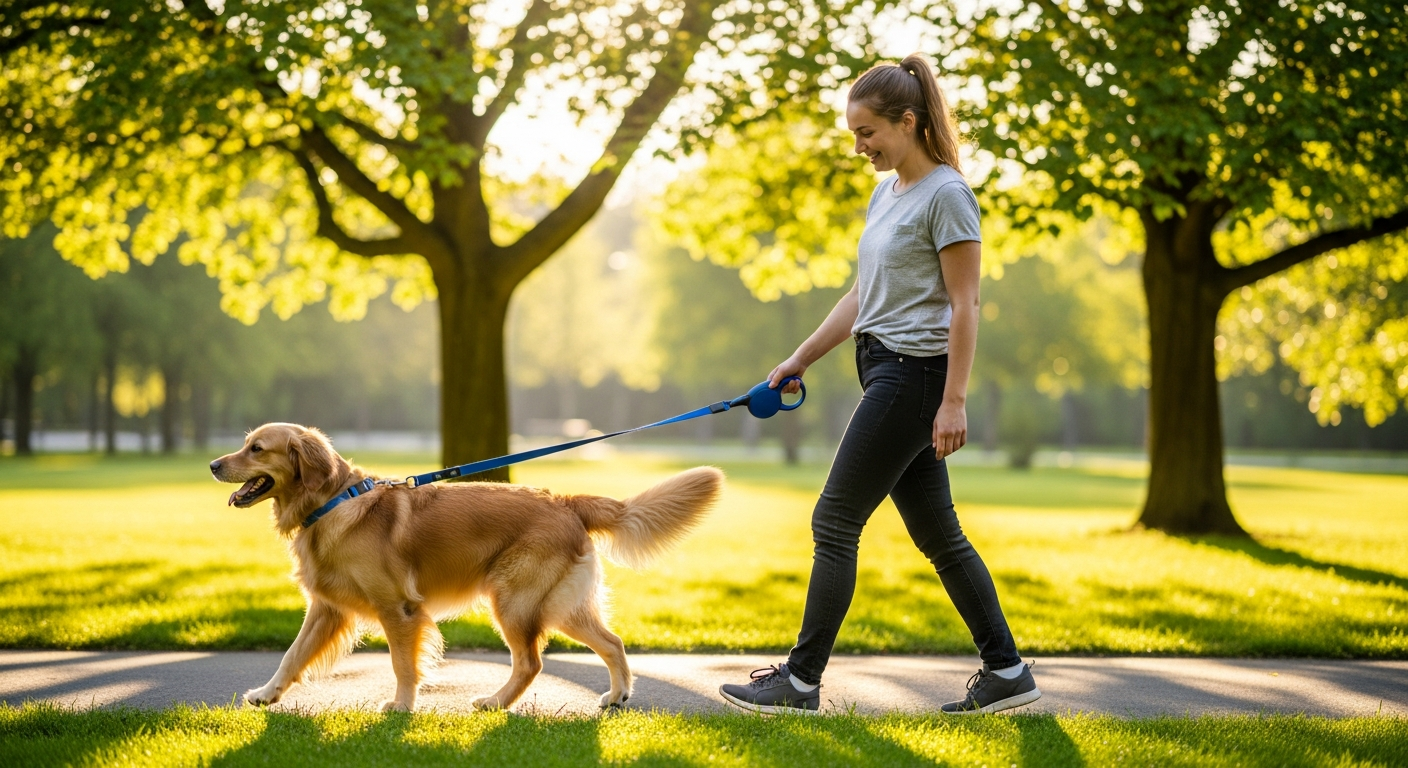
    A standard flat collar is fine for holding ID tags, but it's not always the best choice for walking, especially if your dog pulls. A well-fitted harness distributes pressure across the chest rather than the delicate trachea. Avoid retractable leashes; they offer little control in emergencies and can cause severe friction burns.

    2. Visibility is Key

    If you walk early in the morning or late at night, invest in reflective gear for both you and your dog. LED collars or clip-on lights are excellent for ensuring drivers and cyclists can see you from a distance.

    3. Situational Awareness

    Stay off your phone while walking. You need to be aware of approaching dogs, cyclists, discarded food, or broken glass on the pavement. Your dog relies on you to navigate the world safely.
    Summer Heat: Protecting Your Dog from Heatstroke

    Summer Heat: Protecting Your Dog from Heatstroke

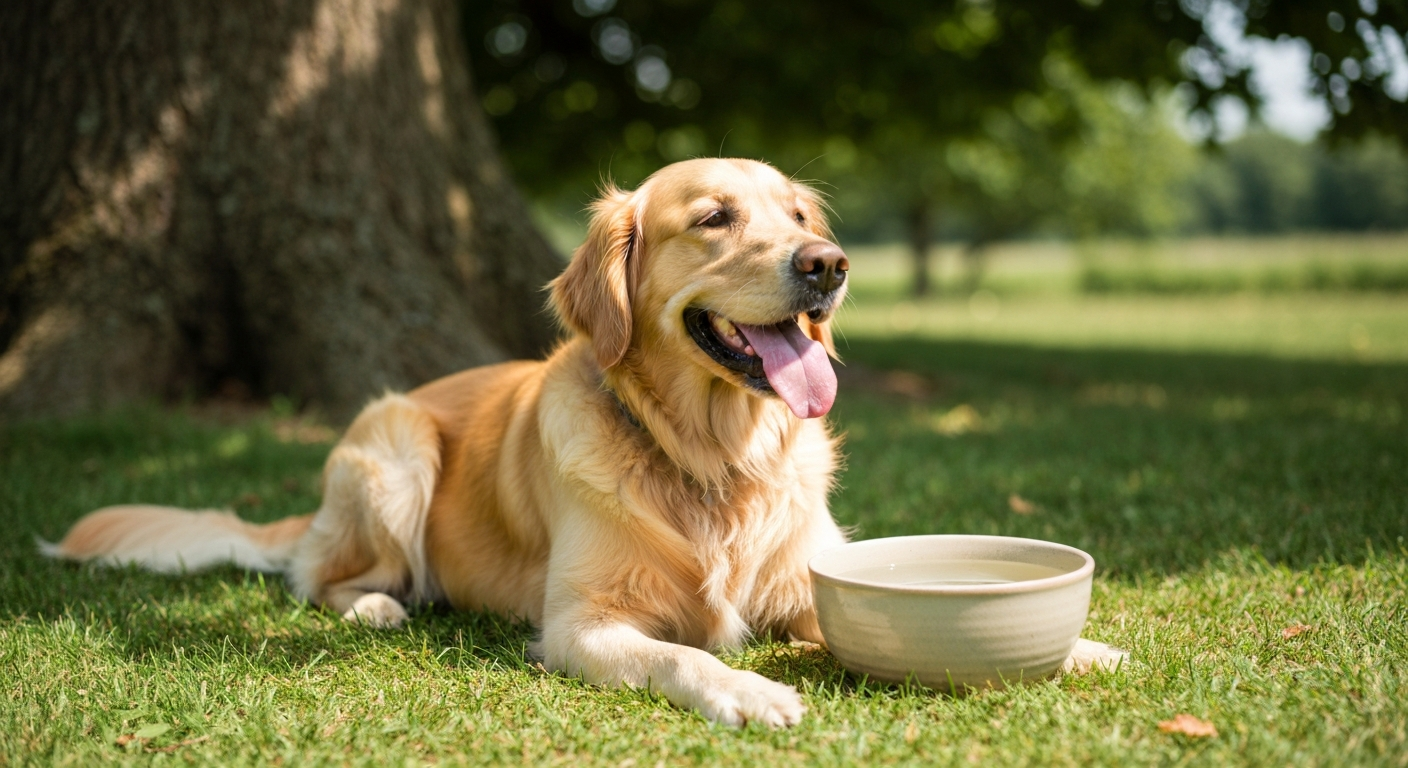
    Dogs don't sweat like humans do; they primarily cool themselves by panting. When the temperature and humidity rise, panting becomes less effective, putting them at serious risk of heatstroke.

    1. The Pavement Test

    Before stepping out, place the back of your hand on the pavement for 7 seconds. If it's too hot for your hand, it's too hot for your dog's paws. Walk early in the morning or late in the evening during summer months.

    2. Never Leave a Dog in a Hot Car

    Even with the windows cracked on a mild 20°C (68°F) day, the inside of a car can reach a deadly 32°C (90°F) in just 10 minutes. If you can't bring your dog inside with you, leave them at home.

    3. Know the Signs of Heatstroke

    Watch for excessive panting, drooling, lethargy, bright red gums, vomiting, or uncoordinated movement. If you suspect heatstroke, move your dog to a cool area, apply cool (not ice-cold) water to their coat, and contact a vet immediately.

    Toxic Foods & Household Hazards

    Toxic Foods & Household Hazards

    Our homes are full of items that are perfectly safe for humans but highly toxic to dogs. Being proactive about household safety is crucial.

    1. The Kitchen Danger Zone

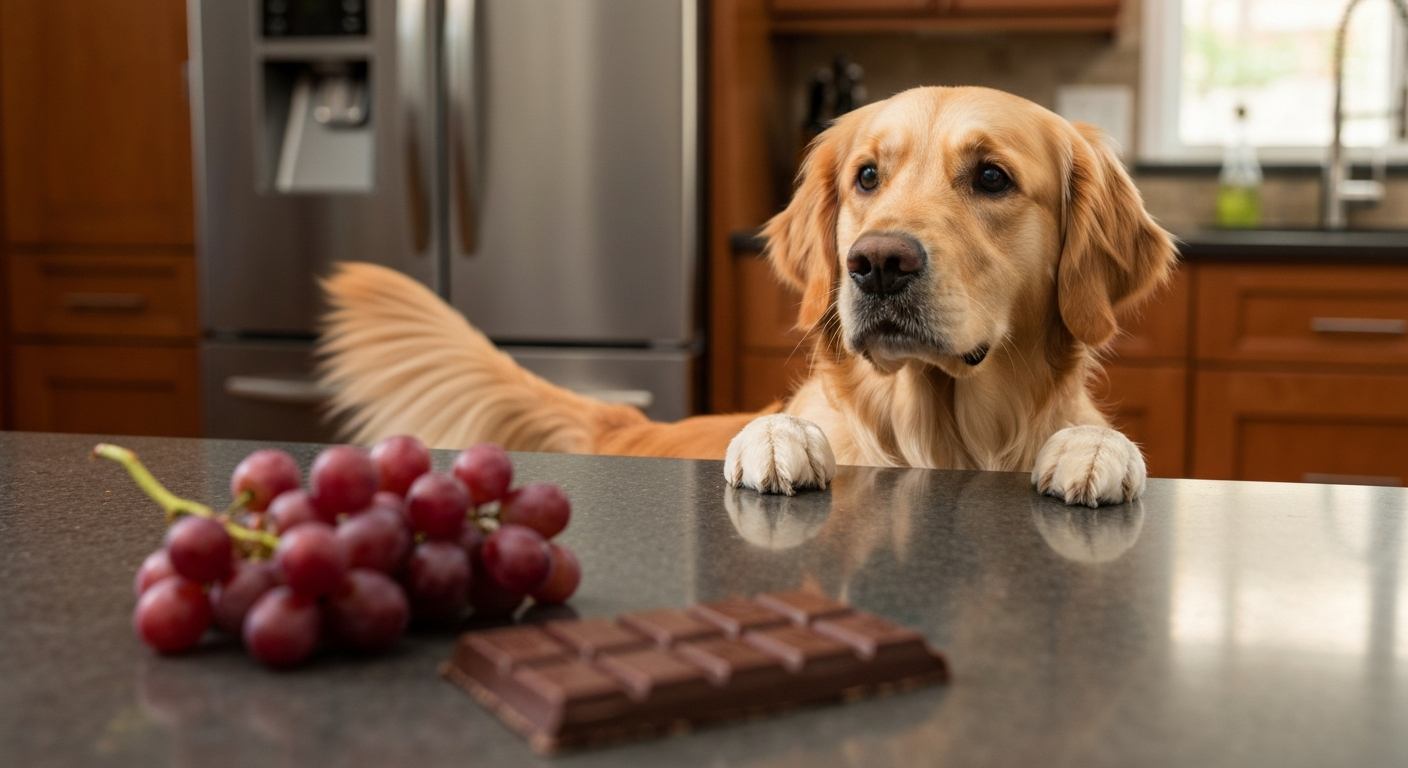
    Keep these common foods entirely out of reach: chocolate, grapes, raisins, onions, garlic, macadamia nuts, and anything containing xylitol (an artificial sweetener often found in peanut butter, gum, and baked goods).

    2. Household Plants

    Many popular houseplants, including lilies, aloe vera, ivy, and pothos, are toxic to dogs. Check the ASPCA's database of toxic plants before bringing new greenery into your home.

    3. Medications and Chemicals

    Human medications like ibuprofen and acetaminophen are deadly to dogs. Store all medications, cleaning supplies, and antifreeze securely. Even a small lick of spilled antifreeze can be fatal.

    Safe Socialization & Body Language

    Safe Socialization & Body Language

    Socialization isn't just about playing with other dogs; it's about learning to exist calmly in the world. Knowing how to read canine body language prevents conflicts and keeps everyone safe.

    1. Always Ask First

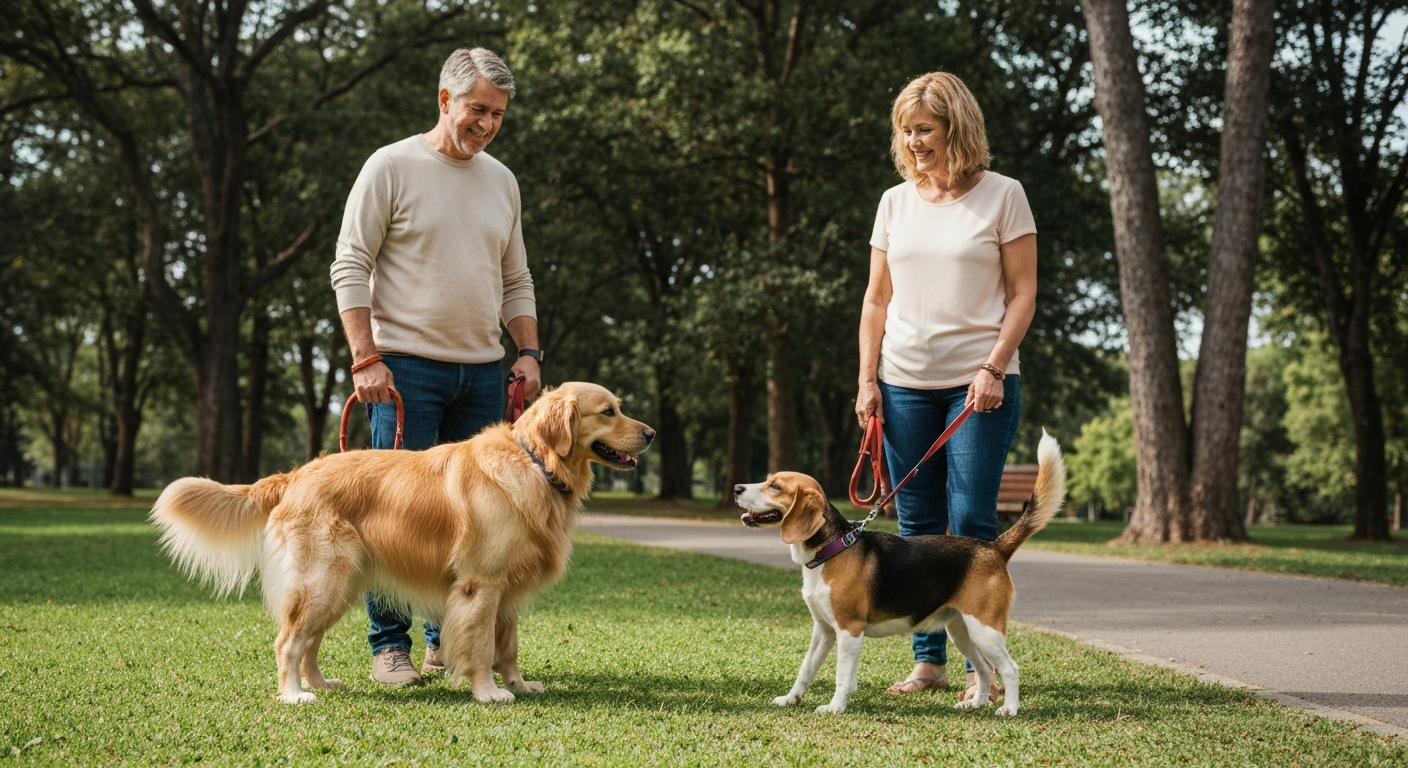
    Never let your dog run up to another dog on a leash. The other dog might be fearful, recovering from surgery, or reactive. Always ask the owner, "Is your dog friendly?" before allowing an approach.

    2. Reading the Signs

    A wagging tail doesn't always mean a happy dog—it just indicates high arousal. Watch for signs of stress: lip licking, yawning when not tired, turning the head away, stiff posture, or a tucked tail. If you see these, give the dog space.

    3. The 3-Second Rule

    When dogs greet, let them sniff for 3 seconds, then call your dog away. Long, tense greetings often escalate into fights. Keep interactions short, positive, and moving.

    Winter Wonders: Cold Weather Care

    Winter Wonders: Cold Weather Care

    Winter brings its own unique set of challenges for dog owners. While some breeds thrive in the snow, others need extra protection from the elements.

    1. Bundle Up

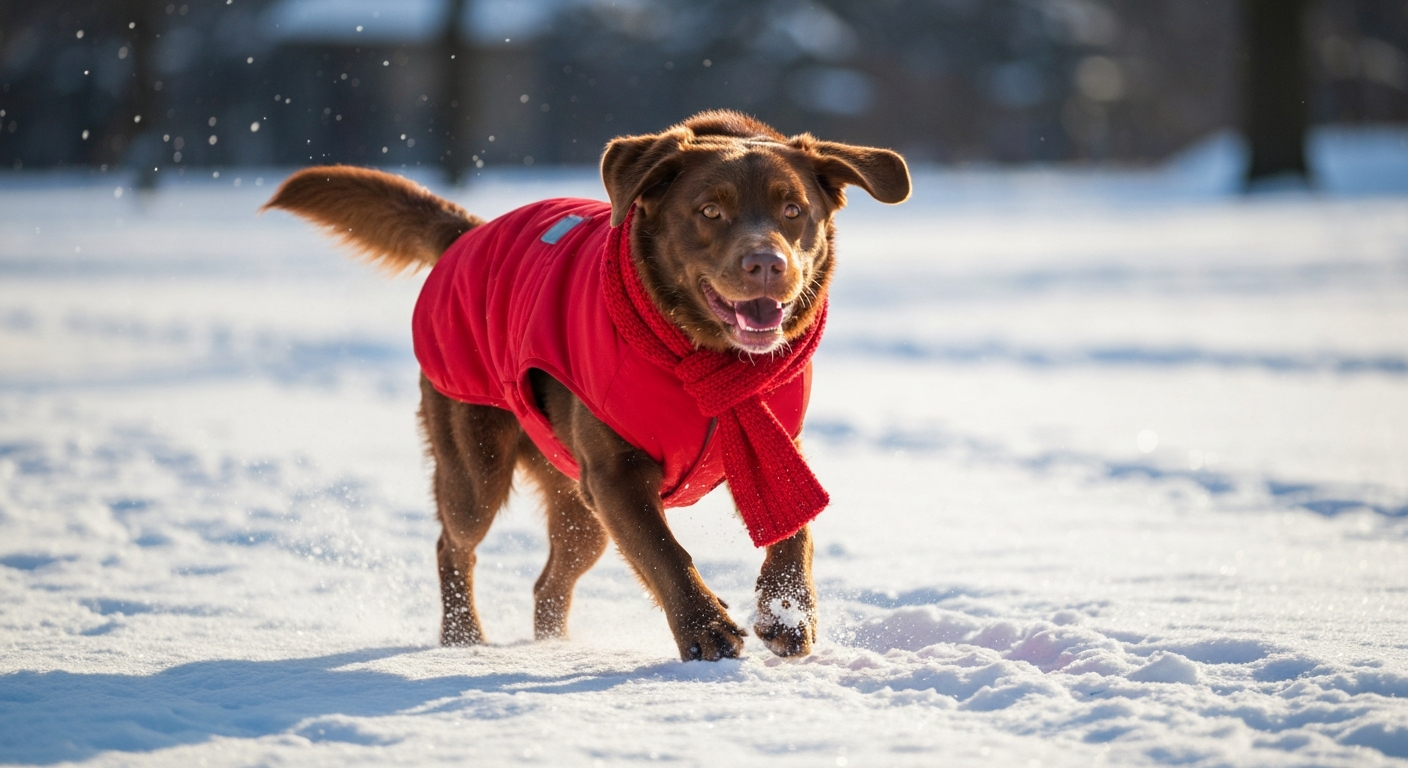
    Short-haired breeds, small dogs, puppies, and senior dogs are particularly susceptible to the cold. Invest in a well-fitting, water-resistant winter coat for walks on freezing days.

    2. Protect the Paws

    Rock salt and chemical de-icers can burn paw pads and are toxic if licked off. Wipe your dog's paws with a warm, damp cloth after every winter walk. Consider using pet-safe paw balm or dog booties for added protection.

    3. Beware of Ice

    Keep your dog on a leash around frozen ponds, lakes, or rivers. Dogs don't understand the danger of thin ice, and falling in can be instantly fatal. Also, watch out for hidden sharp objects buried under the snow.