

Puppy Training, Puppy Care Basics, Dog Trainer UK
Puppy Basics: The First 30 Days With Your New Best Friend
Bringing home a new puppy is exciting, emotional, and sometimes a little overwhelming. These first 30 days are when you lay the foundations for good manners, confidence, and a strong bond that lasts a lifetime. This guide walks you through essential Puppy Care Basics, gentle Puppy Training, and why choosing a qualified, accredited, certified, and force free dog trainer early on is one of the best decisions you can make. Throughout, you’ll find practical New Puppy Tips and guidance on how to find trusted, Accredited Dog Trainers in the UK at yourdogtrainer.co.uk.
The First 48 Hours: Setting Your Puppy Up for Success
Your puppy’s first two days in your home are all about safety, comfort, and calm. Everything is new: smells, sounds, people, even the feeling of the flooring under their paws. Keep your expectations low and your patience high. This isn’t the time for complicated Puppy Training; it’s the time for reassurance and gentle structure that will support training later on.
Create a Safe Puppy Zone
Choose a quiet area of your home for your puppy’s bed or crate, water bowl, and a few safe toys. This “puppy zone” helps them feel secure and gives you a base for toilet training, rest, and calm time. Use baby gates or pens to prevent access to stairs, cables, or anything they could chew that might be dangerous. Think of this as the foundation of Puppy Care Basics: safety first, freedom later.
Keep the First Day Quiet and Predictable
It’s tempting to invite friends and family over immediately, but too many new faces can overwhelm a puppy. For the first day or two, keep visitors to a minimum. Focus on:
Short, gentle play sessions followed by naps
Regular trips to the toilet area (every 30–60 minutes when awake)
Calm handling: stroking, touching paws and ears briefly, then rewarding
💡 Pro Tip: Start a simple log of feeding times, toilet trips, and naps. Patterns will quickly appear and make toilet training far easier.
Days 3–7: Introducing Gentle Structure and Routine
Once your puppy has had a couple of days to settle, you can begin building simple routines. Predictable patterns help puppies feel safe and make Puppy Training much smoother. Aim for a rhythm of: wake, toilet, play, short training, rest, repeat. Puppies tire quickly, so most activities should be brief and positive.
Toilet Training Basics
Take your puppy to the same toilet spot:
As soon as they wake up
After meals and play sessions
Before bed and once or twice during the night, depending on age
When your puppy toilets in the right place, quietly praise and give a small treat. If accidents happen indoors, clean thoroughly and avoid scolding. Punishment can make puppies anxious about going to the toilet in front of you, which makes training harder. This is where Force Free Training principles really matter: reward what you want, manage what you don’t, and never use fear or pain.
First Steps in Puppy Training: Name and Reward
One of the simplest New Puppy Tips is to start with your puppy’s name. Say their name once, in a cheerful tone, then immediately reward with a treat or gentle praise when they look at you. This teaches them that paying attention to you is worthwhile, and it’s the basis for all future training, from recall to loose-lead walking.
📌 Key Takeaway: Keep early training sessions under two minutes, a few times a day. Short, positive sessions build skills faster than long, tiring ones.
Week 2: Socialisation Done Safely and Kindly
Socialisation isn’t just “meeting lots of dogs.” It’s your puppy learning that the world is safe and predictable. Good Puppy Care Basics include carefully introducing new sights, sounds, surfaces, and people in a way that feels safe, not scary. This is also the ideal time to start working with a professional Dog Trainer UK wide who specialises in Force Free Training, so you can get expert guidance on what to do—and what to avoid.
Gentle Socialisation Ideas Before Full Vaccinations
Before your vet confirms your puppy is ready for walks on the ground in public places, you can still socialise safely:
Carry your puppy in your arms or a sling to watch traffic, people, and other dogs from a distance
Play recordings of everyday sounds (buses, fireworks, children) at low volume while giving treats
Introduce different surfaces at home: mats, tiles, grass, steps, always paired with praise and rewards
If your puppy seems worried—ears back, tail tucked, freezing or trying to move away—give them more distance, reduce the intensity, and reward calm behaviour. Force Free Training is about listening to your puppy’s body language and never forcing them into situations they find frightening.
Why a Qualified, Accredited, Certified, Force Free Dog Trainer Matters
In the UK, “dog trainer” is not a protected term—anyone can call themselves one, regardless of experience or education. That’s why it’s so important to choose a qualified, accredited, certified, and force free dog trainer to guide you through these crucial first weeks. The methods you use now will shape your puppy’s behaviour and confidence for years to come.
A properly trained professional uses modern, science-based, Force Free Training techniques that focus on rewarding good behaviour rather than punishing mistakes. They’ll help you understand why your puppy does what they do, how to prevent problems before they start, and how to respond calmly and effectively when challenges arise—biting, jumping, toilet accidents, chewing, and more.
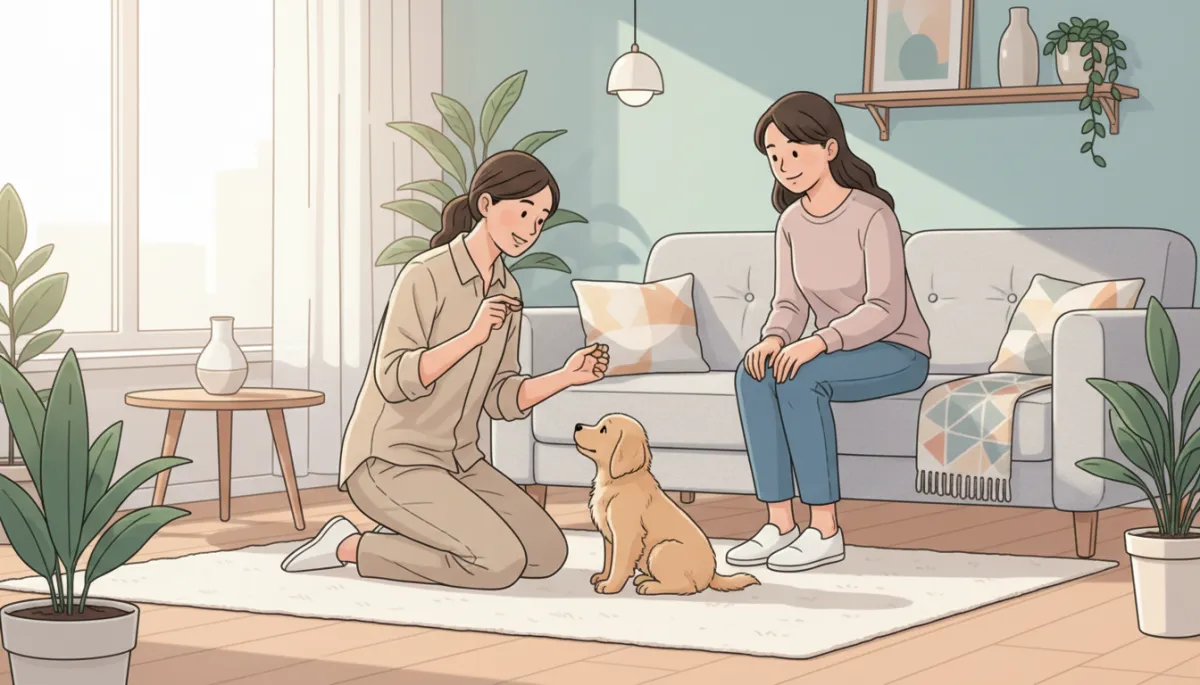
Early sessions with an accredited, force free trainer prevent many common puppy problems.
How to Find Accredited Dog Trainers in the UK
To make things easier, visit yourdogtrainer.co.uk, where you can search specifically for Accredited Dog Trainers who use kind, evidence-based methods. Look for trainers who:
Are members of recognised professional bodies or hold formal certification in dog training or behaviour
Clearly state they use positive reinforcement and Force Free Training methods only
Encourage owner participation and explain what they’re doing and why
💡 Pro Tip: Don’t wait until problems appear. Book a puppy consultation or class as soon as your puppy comes home. Early guidance saves time, stress, and money later.
Week 3: Building Everyday Skills Through Kind Puppy Training
By the third week at home, many puppies are more confident and curious. This is a perfect time to deepen your Puppy Training with simple everyday skills. Working with a Dog Trainer UK based and accredited through yourdogtrainer.co.uk ensures you’re using the most effective, humane techniques from the start.
Sit, Down, and Settle: Calm Puppies, Calm Homes
Start with “sit” using a treat held close to your puppy’s nose and slowly lifted upwards. As their head follows, their bottom naturally lowers. The second they sit, say “yes” or “good” and give the treat. Over time, you can add the word “sit” just before you guide them. The same reward-based approach works for “down” and “settle on a mat,” which are invaluable for mealtimes, visitors, and relaxing in cafés when your puppy is older.
A force free, Accredited Dog Trainer can show you how to break each behaviour into tiny steps so your puppy can succeed. This is the heart of great Puppy Training: making progress feel easy and enjoyable for your puppy, not like a test they might fail.
Handling, Grooming, and Vet-Ready Puppies
Many dogs learn to dislike grooming and vet visits because they’re restrained, poked, or prodded without preparation. In these first 30 days, include short “handling practice” sessions in your Puppy Care Basics routine:
Touch a paw briefly, then feed a treat; repeat and gradually build duration
Look in their ears or gently lift a lip to see teeth, always followed by rewards
Introduce a soft brush for one or two strokes, then treat and pause
A trainer who understands Force Free Training will help you keep these sessions relaxed and fun, and can advise on how to support nervous puppies or those who already show discomfort being handled.
Week 4: Expanding the World—Walks, Visitors, and Real-Life Practice
By the fourth week at home, many puppies are ready for short walks outdoors, depending on your vet’s vaccination advice. This is where all your early work with name recognition, calm handling, and positive socialisation really pays off. It’s also when a skilled Dog Trainer UK based can support you in managing excitement, fear, or frustration as your puppy encounters more of the world.
Loose-Lead Foundations and Recall
Before heading to busy parks, practice walking on the lead in your garden or a quiet area. Reward your puppy whenever they’re near you with a loose lead. If they pull ahead, simply stop, wait for the lead to slacken, and reward them for returning. No jerking, yanking, or scolding—Force Free Training avoids pain and fear, focusing instead on teaching your puppy what works to get where they want to go.
For recall, start in a secure space. Call your puppy’s name once, then use a happy recall word like “come!” and move away slightly. When they reach you, reward generously—treats, fuss, even a quick game. A certified trainer can show you games that make coming back to you the best part of your puppy’s day, not the end of the fun.
Visitors, Children, and Other Dogs
As your puppy meets more people and dogs, supervise carefully. Ask visitors to ignore your puppy at first—no leaning over, grabbing, or loud greetings. When your puppy offers calm behaviour (four paws on the floor, soft body language), then they can say hello. If your puppy is worried, give them space and let them choose whether to approach. An Accredited Dog Trainer can help you set clear rules for children and visitors so everyone knows how to interact safely and kindly.
📌 Key Takeaway: You are your puppy’s advocate. If a situation feels too intense—crowded parks, pushy dogs, excited children—step back. Protecting your puppy’s confidence now prevents behaviour problems later.
Common First-30-Day Challenges (and How a Trainer Helps)
Even with the best preparation, most new owners experience a few bumps in the road. Normal puppy behaviours can feel stressful when you’re tired or unsure what’s “normal.” Working with a qualified, accredited, certified, and force free dog trainer early means you don’t have to figure it all out alone.
Nipping and mouthing: Puppies explore the world with their mouths. A trainer can show you games and management strategies to protect hands, clothes, and children while teaching bite control kindly.
Night-time crying: It’s common for puppies to struggle with sleeping alone. An experienced trainer can help you create a gentle plan to build independence without leaving your puppy distressed.
Toilet training setbacks: Accidents are part of learning. A professional can help you adjust routines, feeding times, and supervision so your puppy succeeds more often.
Because Accredited Dog Trainers stay up to date with current research, they’ll also help you avoid outdated advice like rubbing noses in accidents, shouting, or using gadgets that startle or hurt. These methods may suppress behaviour temporarily but often create fear and long-term issues. Force Free Training builds trust instead of tension.
Your 30-Day Puppy Checklist
To bring everything together, here’s a simple overview of Puppy Basics for the first month:
Safe, puppy-proofed home with a calm sleeping area and secure garden or toilet spot
Consistent feeding, toilet, play, and rest routine tailored to your puppy’s age and breed
Gentle socialisation with people, sounds, and environments, always paired with rewards and choice
Short, positive Puppy Training sessions: name response, sit, recall games, handling practice, and early lead work
Early support from a qualified, accredited, certified, and force free dog trainer to guide you through challenges
Take the Next Step: Find Your Puppy’s Perfect Trainer
The first 30 days with your new puppy are precious. They’re also the best time to put kind, consistent habits in place. You don’t need to do it alone. A skilled Dog Trainer UK based, using modern, Force Free Training methods, can turn confusion into clarity and help you enjoy this stage instead of simply surviving it.
When you’re ready to take that step, visit yourdogtrainer.co.uk. There you can search for local, Accredited Dog Trainers who are committed to positive, science-based Puppy Training. Look for trainers who proudly describe themselves as qualified, certified, and force free, and don’t hesitate to ask questions about their approach. The right professional will welcome your curiosity and work in partnership with you.
With thoughtful Puppy Care Basics, gentle New Puppy Tips, and expert guidance from a trusted trainer, your puppy’s first 30 days can be the start of a confident, well-mannered, and deeply rewarding life together. Start strong, stay kind, and let this first month be the foundation of a bond built on trust and understanding.